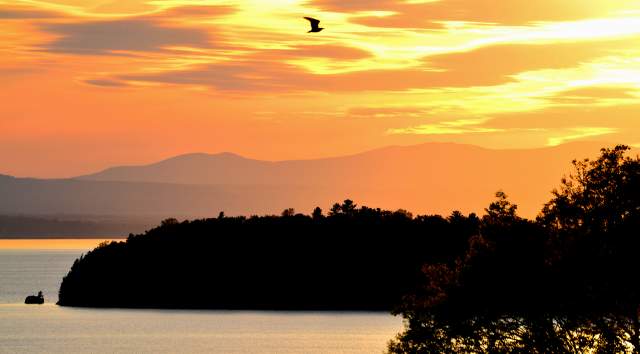
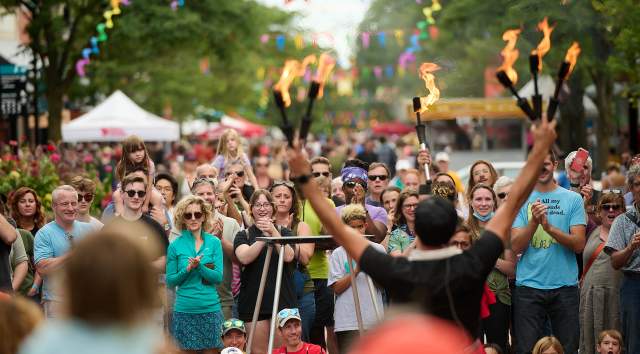
Before the breweries, the bike paths, and the bustling Church Street, Burlington was something else entirely. Walk it today and you'll find a city very much alive in the present. But underneath the familiar surface runs a quieter current, one of war, industry, and immigration that most people pass by without ever noticing. Here are a few of the stories worth stopping for.
The Abenaki and the Intervale
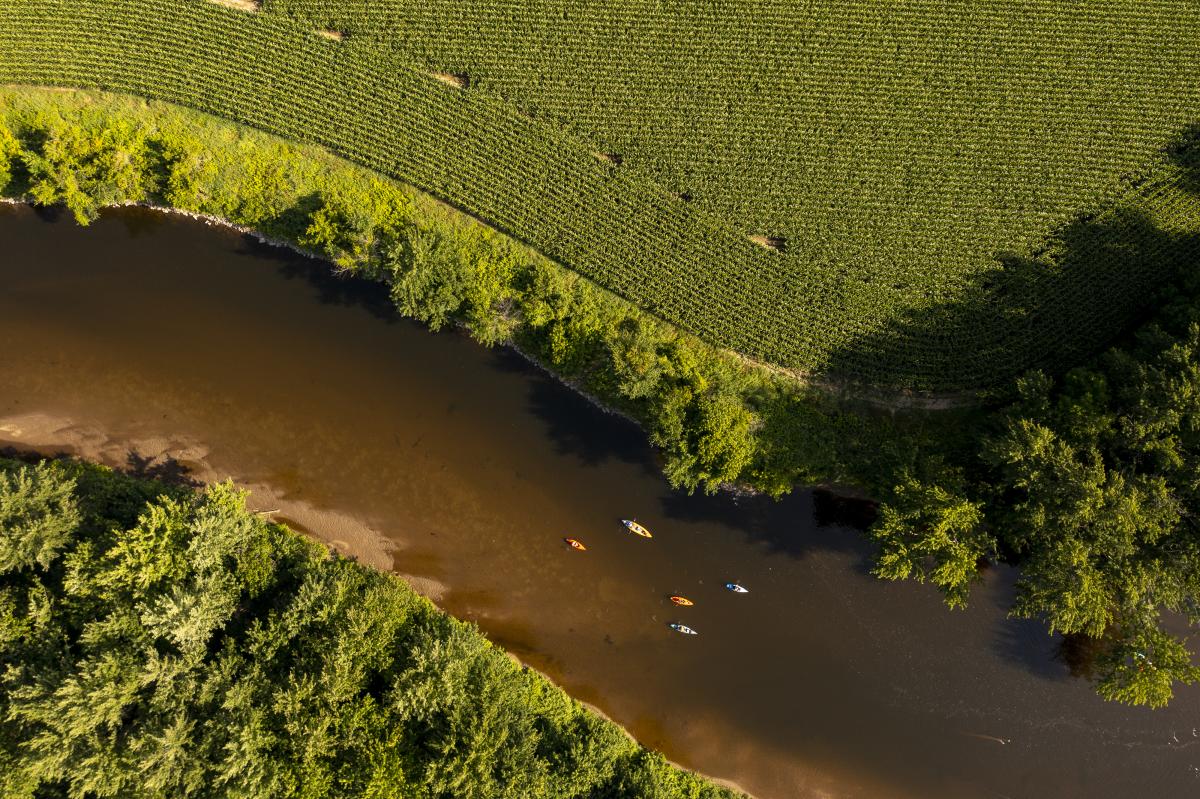
The Intervale has been farmed continuously for thousands of years. Long before European settlers arrived, the Abenaki people lived along the Winooski River, working this same floodplain, fishing these same waters. Burlington's founding story, cannons, immigrants, industry is real. But it starts in the middle of a much longer one.
The Abenaki didn't disappear. They were displaced, legislated against, and for a long stretch of the 20th century, officially denied existence by the state of Vermont. Recognition came slowly and incompletely. The Western Abenaki still live here. The land remembers even when the history books don't.
Visit: Walk the Intervale trails along the Winooski. The farmland you're looking at has been tended for millennia. The Intervale Center runs community agriculture programs on the same ground. It's worth a slow walk.
Battery Park: Cannons at the Bluff
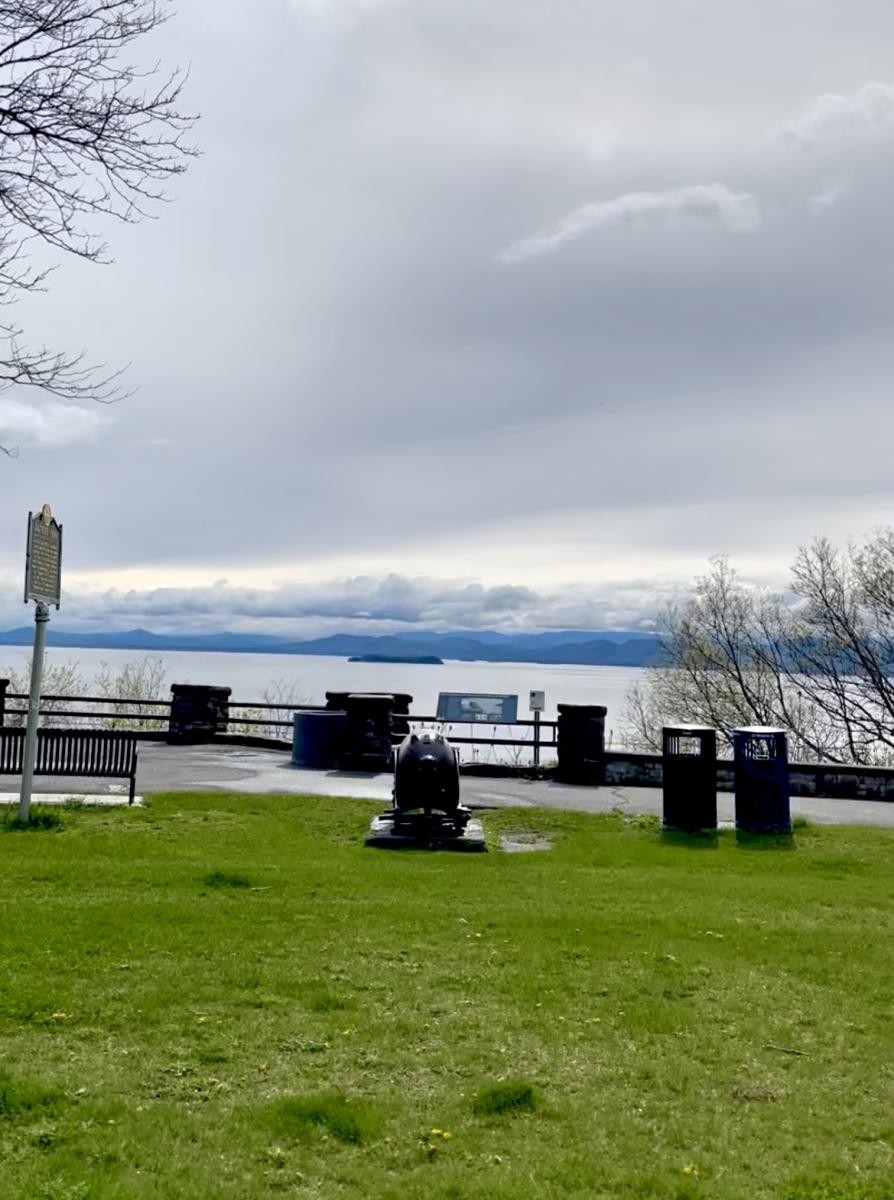
Long before Battery Park was a place to watch the sun sink behind the Adirondacks, it was a defensive position. During the War of 1812, the U.S. Army installed an artillery battery at the top of this bluff to defend Burlington against British naval attack from the north. British warships patrolled Lake Champlain, and the tension shaped the character of an entire city that wasn't yet sure it was safe.
The cannons are mostly gone. One still stands, aimed southwest over the lake. The park today is a beautiful green lawn with an amphitheater and sweeping views. But it carries its name for a reason.
Visit: Battery Park is free and open year-round. Stroll the bluff, take in the Adirondack views, and look out over the same lake that once made this city hold its breath.
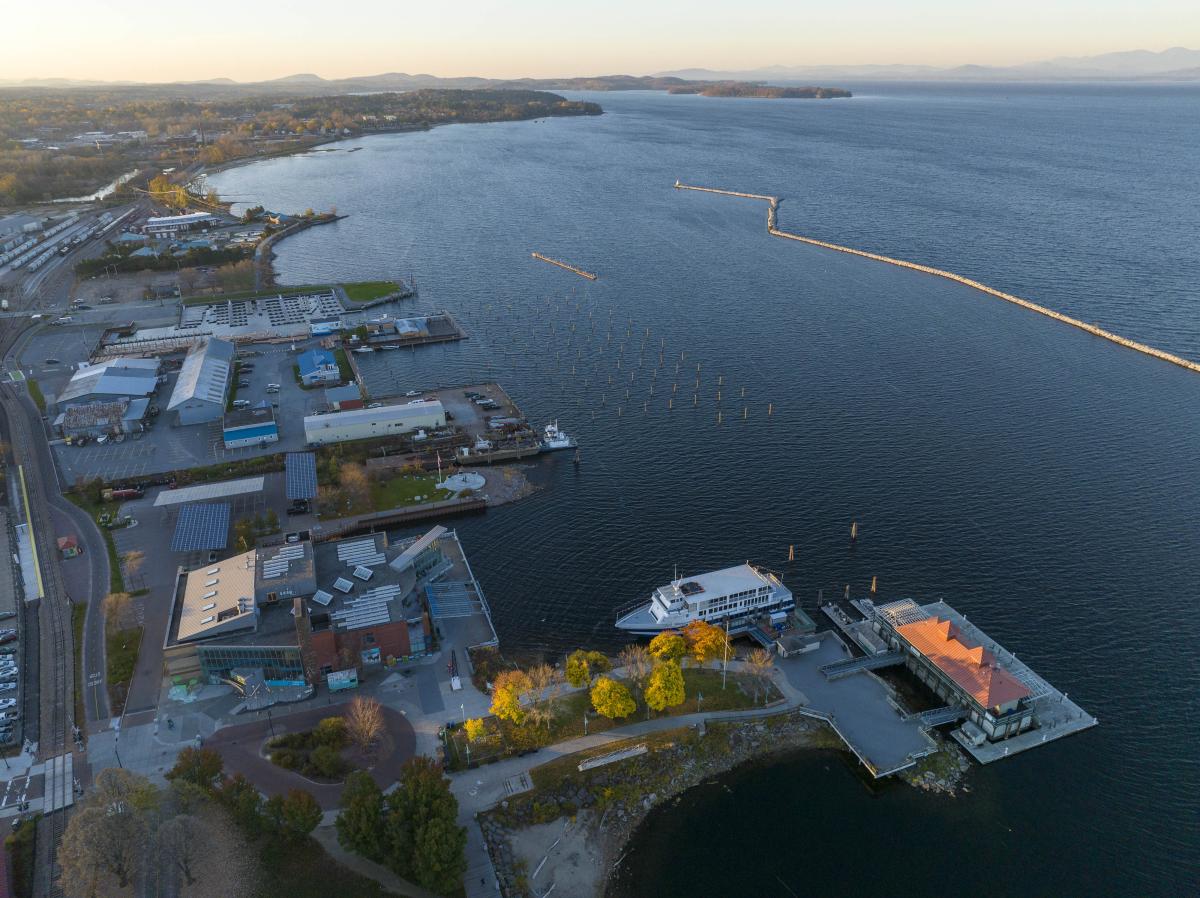
The Waterfront: From Railroads to Bike Paths
Burlington's waterfront was once one of the busiest inland ports in America. The Champlain Canal, completed in 1823, connected the lake to the Hudson River and turned this city into a serious commercial hub: lumber, marble, and goods moving south, money moving north. The railroads followed, and for decades the waterfront was noise, industry, and labor.
Then it wasn't. The rail lines went quiet, the freight dried up, and the waterfront sat largely abandoned through much of the latter half of the 20th century. What came next was a long, sometimes contentious civic effort to reclaim it.
The bike path you're riding or walking? That's the old rail bed. The esplanade, the parks, the renovated ECHO building on the water, all of it sits on what was once working industrial land. The transformation is so complete it's easy to forget what came before. Which is exactly why it's worth remembering.
Visit: Rent a bike and ride the Burlington Greenway from the South End up to the Champlain Islands. You're retracing the old Central Vermont Railway line the whole way. Stop at Waterfront Park and look south down the lake, same view the dock workers had, but cleaner air.
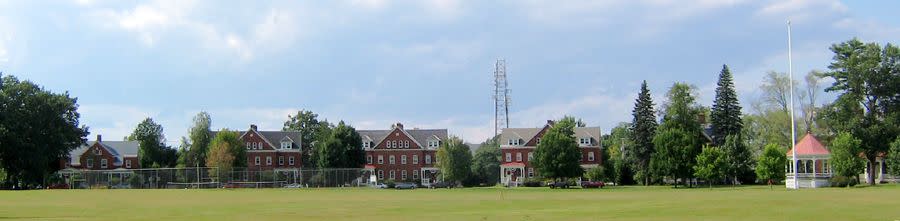
Fort Ethan Allen: The Military's Forgotten Footprint
Most Burlingtonians know the name Ethan Allen, it's on the park, the homestead, the furniture store. Fewer think much about Fort Ethan Allen, the U.S. Army cavalry post established in 1894 on the Essex-Colchester border. At its peak it was one of the most significant military installations in the Northeast, complete with stables, a hospital, officer housing, and a polo field.
Decommissioned after World War II, the fort lives on as a quiet residential neighborhood. The original brick barracks and officers' quarters are still standing, converted into homes and offices, hiding in almost plain sight.
Visit: Drive or walk through the Fort Ethan Allen neighborhood off Route 15 in Colchester. The architecture tells the story, you just have to know what you're looking at. Bring your dog and romp around in the old polo fields, now a public park.
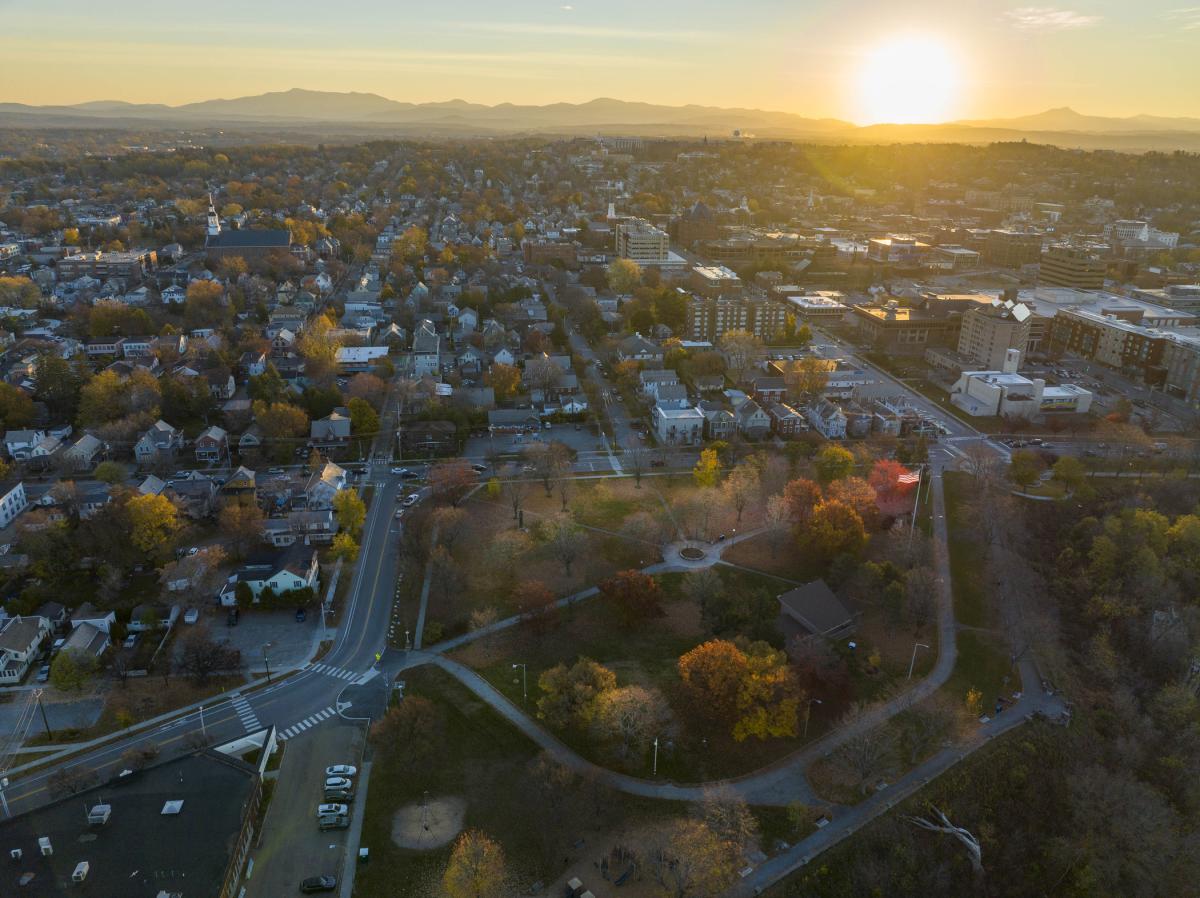
Little Italy: The Neighborhood That Was
Burlington once had its own Little Italy. And most people have no idea it existed. Italian immigrants settled here in the late 19th and early 20th centuries, building more than 140 homes, businesses, gardens, community centers, a cathedral, and schools. Then came the 1960s and urban renewal. The entire neighborhood was leveled, a story repeated in cities across America during that era.
Thanks to the work of the Vermont Italian Cultural Association and the late Dr. Ken Ciongoli, that community hasn't been forgotten. Historic markers and interpretive signs now mark the approximate boundaries of the old neighborhood, reclaiming its memory block by block.
Visit Head to Battery Street, across from the corner of Cherry, and look for the street market sign. A small but meaningful marker that tells the story of the vibrant community that once filled these blocks. It takes only a few minutes but stays with you.
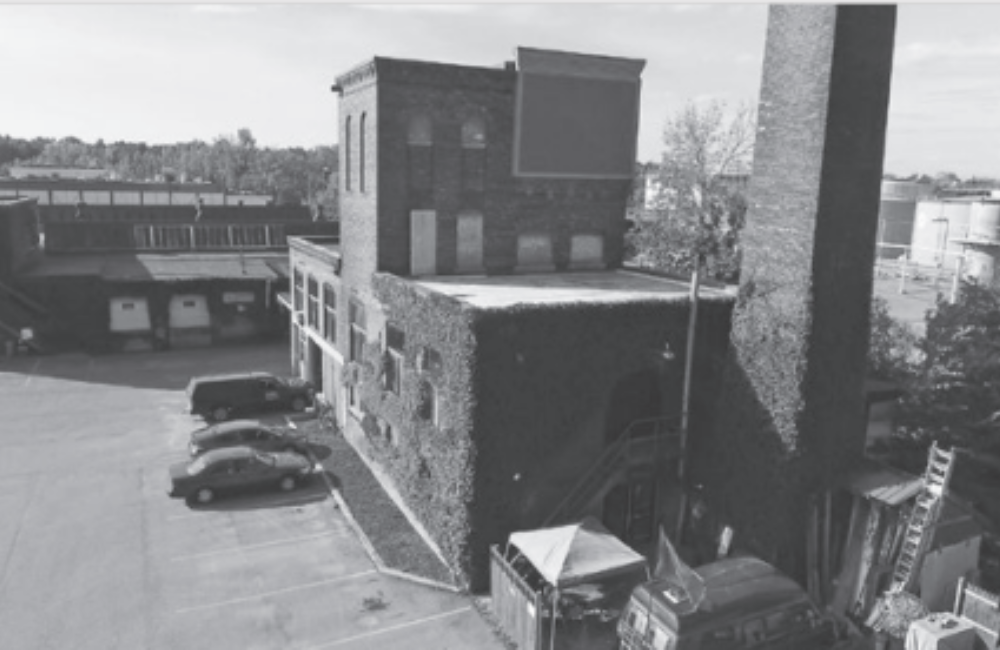
The Lumiere Building: South End Stories
Burlington's South End Arts District is one of New England's better creative reinventions of an industrial neighborhood, and the Lumiere Building on Flynn Avenue is a perfect example of why. The Lumière brothers, famous French cinema pioneers, operated their only North American factory in Burlington, Vermont, from roughly 1902 to 1912. Built in the early 20th century as a film processing facility, it was part of Burlington's working industrial backbone, employing the same South End residents who filled nearby Little Italy and a growing downtown.
Today it's home to Burlington Beer Company, and the exposed brick and industrial bones aren't just aesthetic. They're the real history of the building, preserved because someone knew it was worth keeping.
Visit: Stop in for a pint at Burlington Beer Company and take a moment to appreciate the space itself. The building has a story, and it tastes better knowing it.
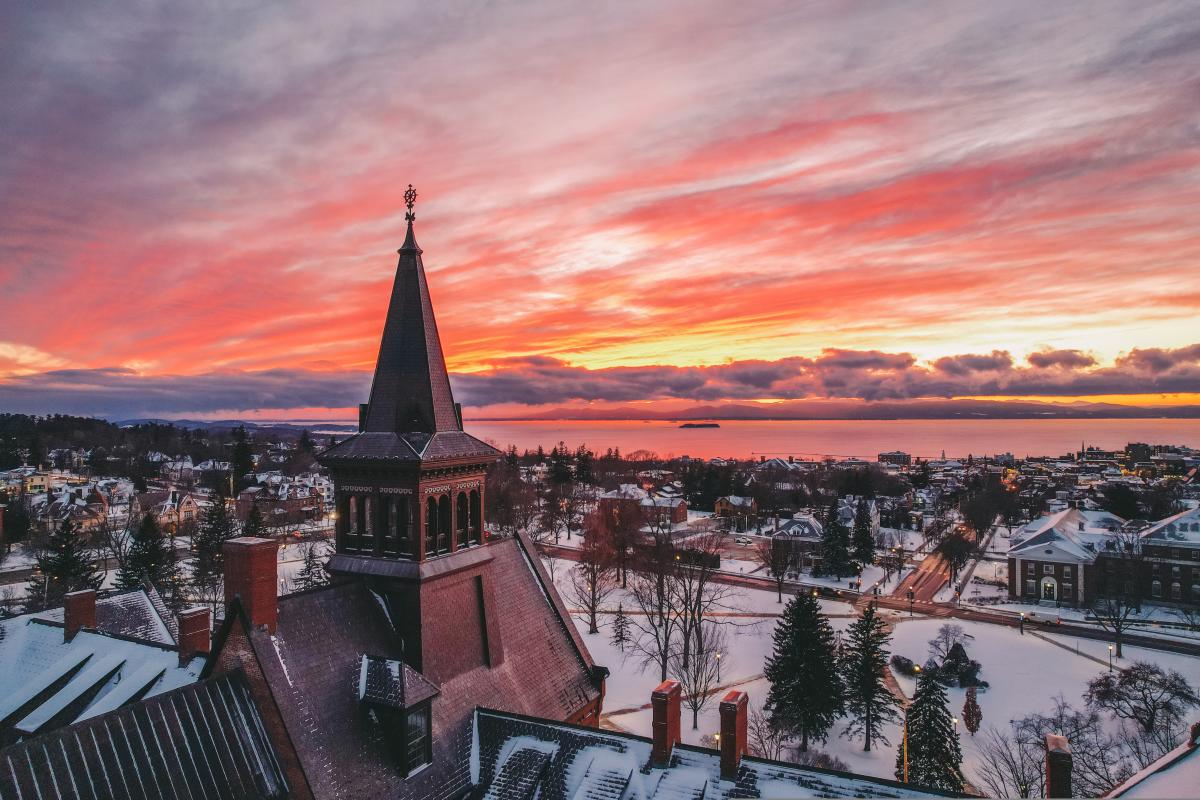
Old Mill and the Hilltop: How UVM Became the City
The University of Vermont was chartered in 1791, the same year Vermont joined the Union. Its first permanent building, Old Mill, went up on the hilltop in 1825 and still stands there, the oldest building on campus, looking out over the same view it always has.
For most of its early history, UVM was a small collection of buildings at the edge of town. Then it started growing. Slowly, then all at once. The Medical Center reshaped the entire neighborhood between Main Street and Colchester Avenue. Dorms, academic buildings, and parking structures absorbed streets and lots that were once just part of the city. The boundary between campus and Burlington became genuinely hard to find.
Walk up College Street today and you'll pass through at least three different versions of the university without a single sign telling you so. The hilltop is still where it started. Everything else is expansion.
Visit: Start at the UVM green and find Old Mill — the long Federal-style brick building that looks like it's been there forever, because it has. Then walk downhill toward Main Street and watch the architecture shift decade by decade. The city and the university have been growing into each other for two centuries.
A city that keeps becoming
What makes Burlington's history feel different is its scale. The park where soldiers once manned cannons is a ten-minute walk from where the Abenaki tended the Intervale for millennia, which is a ten-minute walk from where Italian immigrants built a community, which is a ten-minute walk from an old factory building that was at the forefront of cinema in North America where someone is now pouring you a beer. The layers are compressed and if you're paying even a little attention, you can feel all of it at once.
Burlington has always been a city in the process of becoming something. It just turns out that process started earlier, and went through a lot more than most people realize.