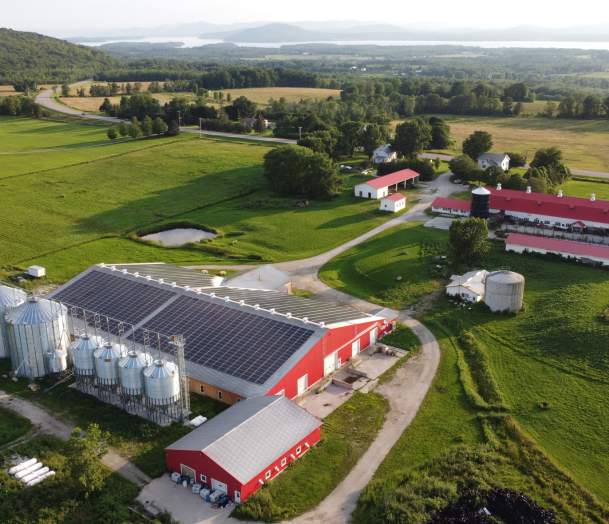
Before Burlington had a restaurant scene, it had a floodplain.
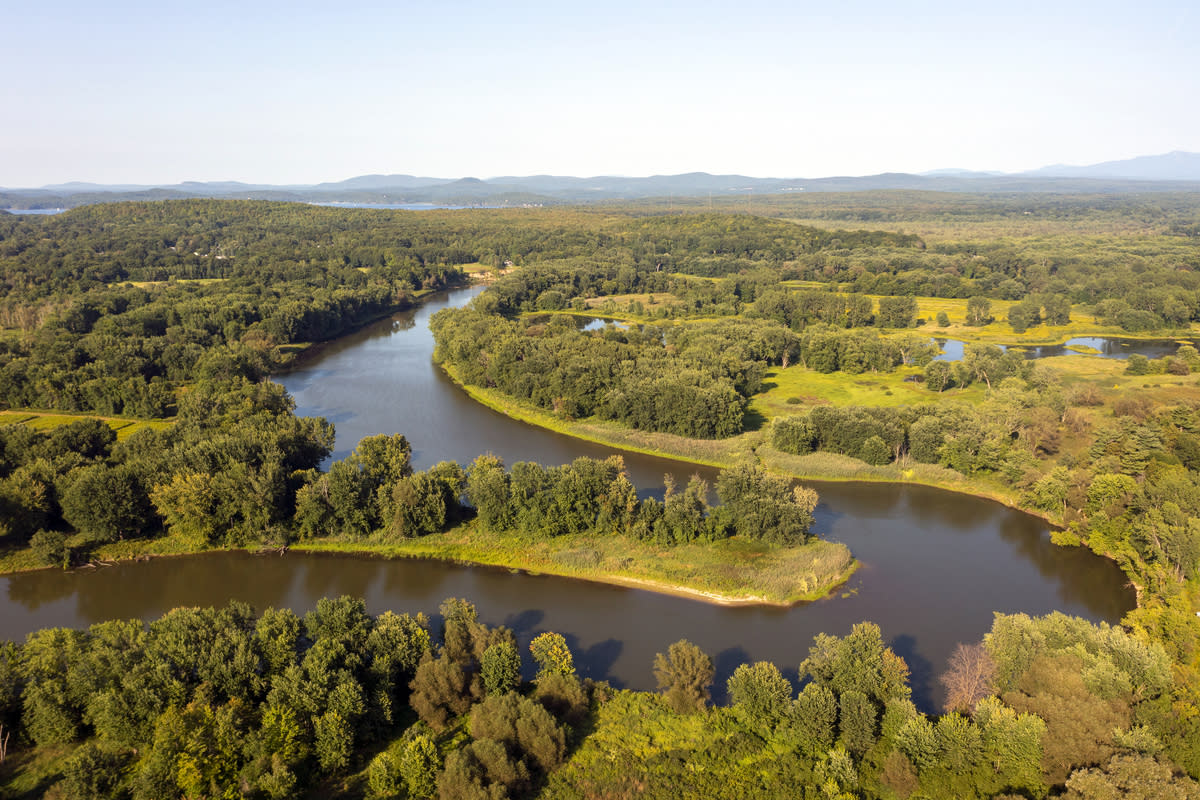
Head north from downtown, past the bike path and the trestle bridge, and you land at the Intervale. Sandwiched between the Winooski River and Lake Champlain, this 300+/- acre stretch of dark, silty soil has been feeding people for roughly five thousand years. The Abenaki farmed it first, planting corn, beans, and squash, the Three Sisters, along with tobacco and sweetgrass grown for ceremony. European settlers arrived later and kept farming, first grain, then dairy, as the railroad opened up markets to the east. By the mid twentieth century, the land had gone the way of a lot of American farmland. Part of it became a city dump.
That is the part of the story most visitors never hear, and it is the part that makes the rest of it worth telling.
THE INTERVALE CENTER
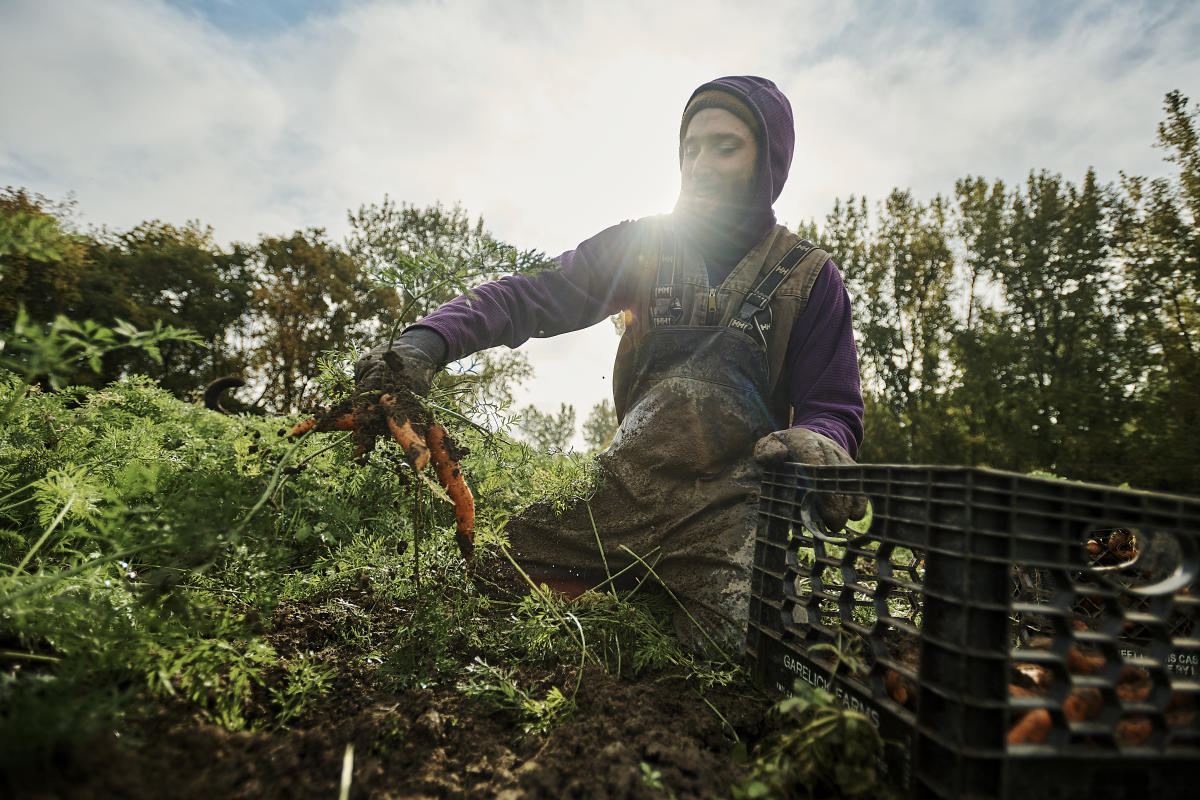
In 1988, a small group led by Will Raap, founder of Gardener's Supply, looked at that same patch of ground and saw something worth saving. They organized a cleanup, restored the soil, and founded what is now the Intervale Center, a nonprofit built on one plain idea: a city is only as strong as the food system underneath it. Today the Center runs a farm business incubator that has helped launch dozens of small Vermont farms, along with a conservation nursery, a food hub, and miles of trails where you are as likely to spot a red tailed hawk as a tractor. (Check out our full birding article if you're curious about red tailed hawks and other species of birds)
It is easy to miss how radical that recovery actually was. The Intervale did not just get cleaned up. It got put back to work, using methods closer to what the Abenaki practiced five thousand years ago than to the industrial agriculture that had pushed small farms out in the first place. Every carrot grown there now carries that whole arc of history, from ceremonial planting ground to landfill to laboratory for what a resilient, human scale food system can look like.
MARKETS & FARMSTANDS
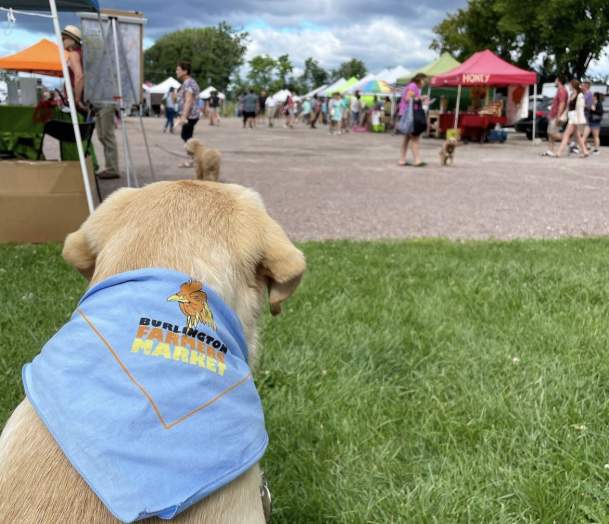
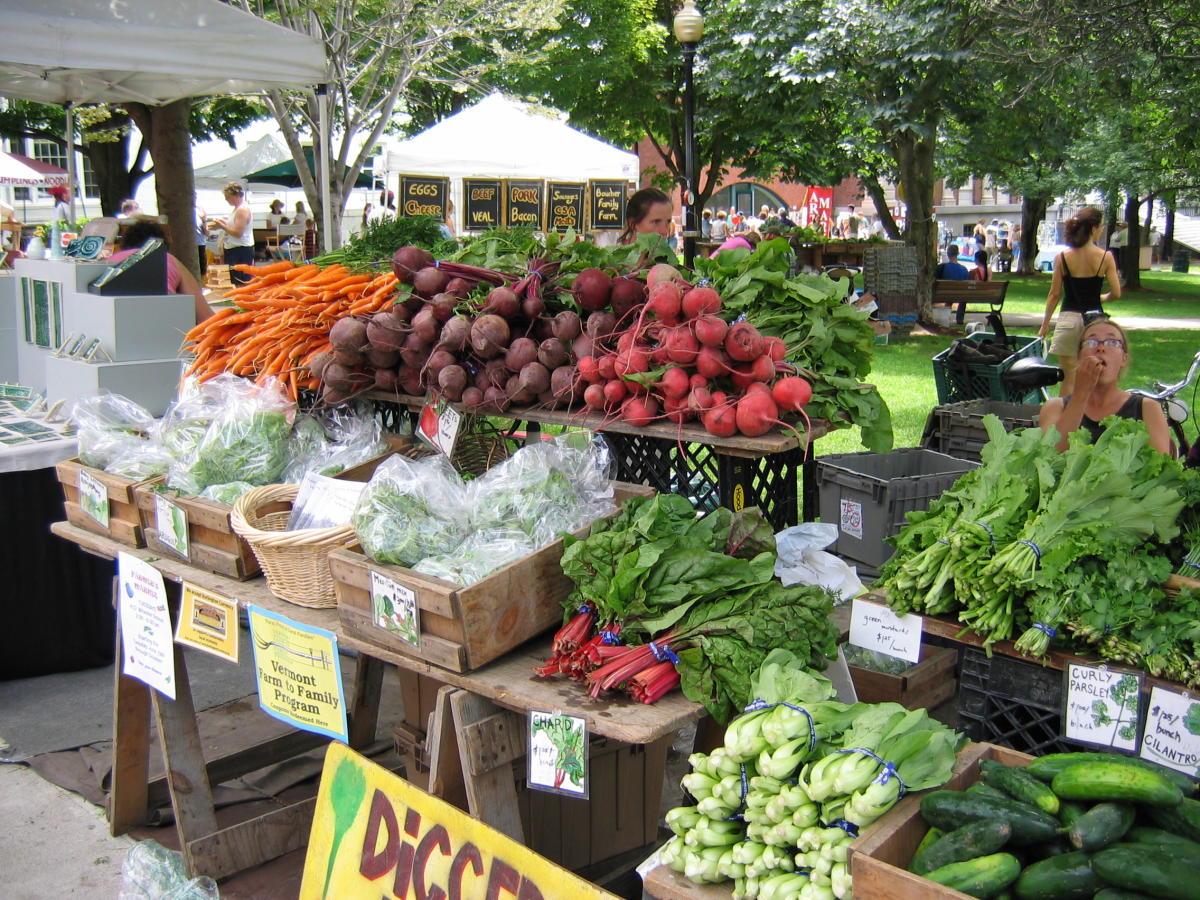
Vermonters have always found a way to sell what they grow directly to the people who eat it. The Burlington Farmers Market has done exactly that since 1980, filling a corner of the city every Saturday from late spring through fall with growers, cheesemakers, bakers, and the occasional fisherman selling the morning's catch. If you want to understand Vermont agriculture in one morning, this is the place to start. Ask a vendor where their tomatoes were grown and they will probably point in a direction you can walk to.
Drive fifteen minutes in almost any direction from Burlington and you will pass a farm stand with a coffee can for change and a chalkboard sign. That honor system, pay what the sign says, leave your money in the box, tells you something about how Vermont thinks about food. It assumes trust. It assumes you are a neighbor, not a customer.
ON THE MENU
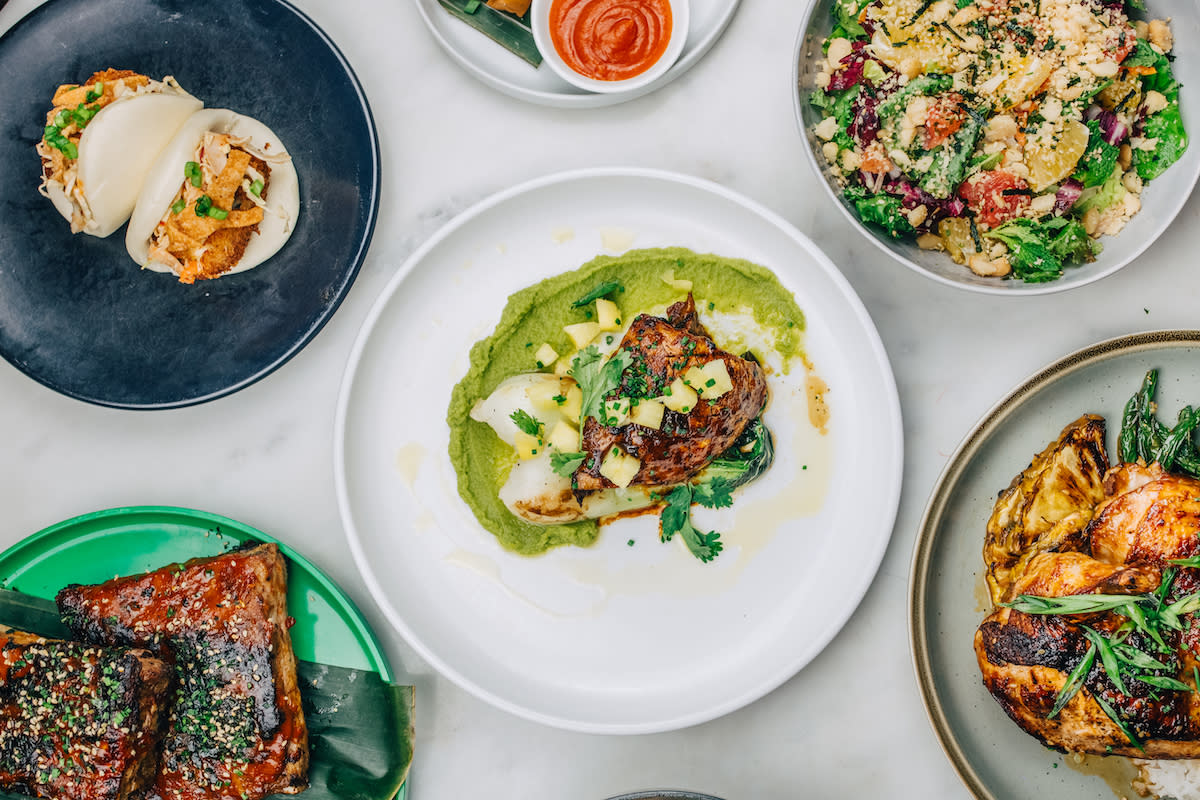
All of that agricultural history eventually lands on a plate, and the regions restaurants have built their identity around it.
At Hen of the Wood, chefs forage the surrounding hills and forests for wild mushrooms and wild herbs, then build menus that change daily around whatever Vermont's foragers happen to have found that day. Farmhouse Tap and Grill built its reputation on a burger made from beef raised down the road, served alongside charcuterie from nearby producers, proof that farm to table does not require a tasting menu to mean something. Guild Tavern grills its local beef and poultry over Vermont hardwood, letting the sourcing do the talking rather than the technique. And several of Burlington's newer vegetarian and vegan kitchens build their entire menus around the same Vermont produce, proof that farm to table was never just a meat forward idea.
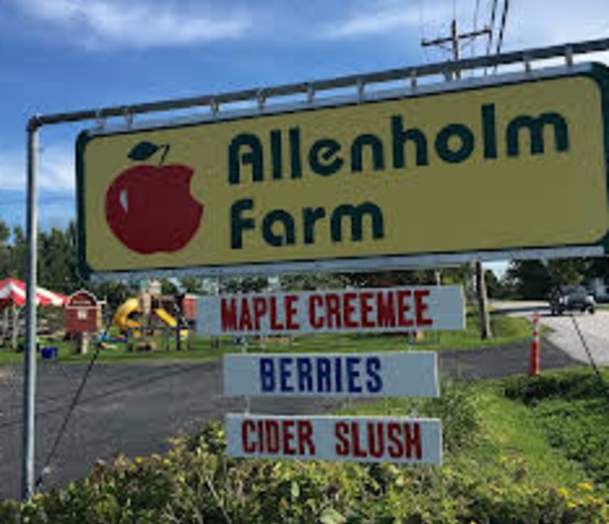
Order a maple creemee along the waterfront in August and you are tasting the same syrup tradition that put Vermont farms on the map generations before farm to table was a phrase anyone used.
THE BIGGER PICTURE
Here is the detail that tends to surprise people who did not grow up here. That vegetable on your plate at a Church Street restaurant tonight may have started as a business plan inside the Intervale Center's farm incubator, on the very land that was once a dump. A few of the small farms supplying Burlington's kitchens right now got their start with nothing more than a plot of reclaimed floodplain and some technical support from that same nonprofit.
Most cities like to say their food comes from local farms. Burlington's food, in a fair number of cases, comes from farms that exist because a local nonprofit spent decades rebuilding the soil those farms grow in. The restaurant meal in front of you is not just sourced from Vermont agriculture. In some real sense, it is Vermont agriculture, still being figured out, one growing season at a time, less than two miles from where you are sitting.
That is the part of Burlington's food story that a brochure will not tell you. Now you know it.